Introduction – Why the Baseball Glove Matters
When most people picture baseball, the first image that pops into their mind is usually the crack of a bat hitting the ball. But if you ask seasoned players, many will tell you that the glove is just as important—sometimes even more. In fact, in every defensive play, the glove is the tool that connects the player directly to the ball. A good glove can save runs, turn a difficult play into an out, and give a player confidence in the field. On the other hand, the wrong glove—whether it’s too big, too stiff, or simply the wrong type—can make the game frustrating and uncomfortable.
One of the unique things about baseball gloves is that they’re not one-size-fits-all. Every position on the field has its own needs, and the glove design reflects that. For example, an outfielder relies on a long, deep glove to catch high fly balls, while an infielder needs a smaller, more flexible glove to quickly scoop up grounders and transfer the ball to their throwing hand. A catcher’s mitt looks completely different from any other glove, with extra padding and a rounded pocket to handle fast, powerful pitches. That’s why players often refer to their glove as an extension of their hand—it’s built for their role on the team.
For beginners, this variety can be overwhelming. Walk into a sporting goods store and you’ll see gloves labeled by position, brand, size, and even age group. Should you buy leather or synthetic? Is bigger always better? Do you really need a specialized glove for every position? These are common questions for new players and even parents shopping for their kids. The truth is that the right glove isn’t about picking the most expensive option on the rack; it’s about finding the glove that best suits your needs, skill level, and comfort.
It’s also worth noting that a baseball glove is not just equipment—it’s an investment. A quality glove, if cared for properly, can last years and even mold to fit your hand perfectly. Many players form an emotional connection with their glove, treating it as their most trusted companion on the field. Breaking in a glove, softening the leather, and making it game-ready is a ritual that bonds the player with their gear. That’s why choosing the right one at the start matters so much.
In this guide, we’re going to break down everything you need to know to make that choice with confidence. First, we’ll look at glove types based on field positions, so you’ll understand the differences between an infielder’s glove, an outfielder’s glove, a catcher’s mitt, and more. Then, we’ll move on to glove sizes and materials, explaining how to pick the best fit for your age and playing style. Finally, we’ll cover tips for breaking in and maintaining your glove, ensuring it performs well and lasts as long as possible.
By the end of this guide, you’ll not only know which glove to buy—you’ll also understand why it matters. With the right glove in hand, you’ll be better equipped to enjoy baseball, whether you’re playing casually with friends or stepping onto the field in a competitive setting.
Types of Baseball Gloves and How to Choose the Right Size
Baseball gloves are not “one glove fits all.” Each position on the field comes with unique responsibilities, and the glove design reflects that. Knowing the differences will help you avoid frustration and give you the best chance to succeed on the field.
1. Infielder’s Glove
Infielders—those playing at first, second, shortstop, and third base—need quick reactions. Their gloves are smaller (usually 11” to 12”), which makes it easier to scoop ground balls and make fast throws. The shallow pocket allows for quick ball transfers, especially for double plays. If you’re a beginner who spends most of your time in the infield, this type of glove is a great starting point.
2. Outfielder’s Glove
Outfielders cover a large grassy area and often chase down fly balls hit deep into the field. For this reason, outfield gloves are longer (12” to 13”) and have deeper pockets, giving players a bigger reach to catch high balls. The webbing is usually open, allowing them to track the ball more easily against the sky.
3. First Baseman’s Mitt
Unlike other gloves, the first baseman’s mitt is designed with a longer, curved edge to scoop up throws from infielders. It has a deep pocket but no individual fingers, resembling more of a padded scoop than a traditional glove. This design makes it easier to handle tricky throws and catch balls cleanly.
4. Catcher’s Mitt
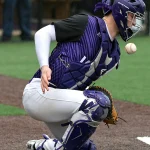
The catcher’s mitt is unique—it’s heavily padded, has no open webbing, and features a round, closed design. This is because catchers face fast pitches directly, often exceeding 90 miles per hour in professional leagues. The mitt protects the hand while giving a secure pocket to receive each pitch.
5. Pitcher’s Glove
Pitchers usually wear gloves that look similar to infielders’ gloves, but with one important difference: the webbing is closed. A closed web hides the pitcher’s grip on the ball, preventing the batter from predicting what type of pitch is coming.
6. Utility Glove
For beginners who don’t have a set position yet, a utility glove is a great choice. It’s designed to work reasonably well in both infield and outfield positions, usually ranging between 11.5” and 12.5” in size.
Choosing the Right Glove Size
Picking the correct glove size is just as important as choosing the right type. A glove that’s too large will feel heavy and slow you down, while one that’s too small won’t give you enough reach.
- Youth Players (ages 6–12): 9”–11.5” gloves are ideal.
- Teens (ages 13–16): 11”–12.5” gloves, depending on position.
- Adults: Infielders usually prefer 11.25”–12”, outfielders 12”–13”. Catcher’s mitts and first baseman’s mitts have their own specific sizing.
When trying on a glove, make sure it feels snug but not overly tight. The glove should allow you to open and close your hand comfortably. If you’re buying for a child, don’t go too big “so they can grow into it”—that often makes it harder for them to control the glove and learn proper technique.
Glove Materials, Break-In Process, and Maintenance Tips
Now that you know the different types of gloves and how to choose the right size, it’s time to look at what your glove is made of and how to care for it. A baseball glove is more than just a piece of equipment—it’s an extension of your hand. The right material and proper care can make a huge difference in comfort, performance, and durability.
Glove Materials
- Synthetic Leather
- Best for beginners and youth players.
- Lightweight, easy to handle, and requires almost no break-in time.
- Less durable compared to real leather, but budget-friendly.
- Full-Grain Leather
- Popular with serious players.
- Very durable and offers excellent performance once broken in.
- Takes more time to soften, but molds perfectly to your hand over time.
- Premium or Kip Leather
- Used in professional-level gloves.
- Softer and lighter than full-grain leather, yet still very durable.
- Often more expensive but provides top performance.
For most beginners, synthetic or standard leather gloves are perfectly fine. As you play more and get serious, upgrading to higher-quality leather will be worth the investment.
Breaking In Your Glove
A new glove often feels stiff and uncomfortable. Breaking it in means softening the leather so it closes easily around the ball. Here are common methods:
- Play Catch: The most natural way—simply use it in games or practice.
- Glove Mallet: Pound the pocket with a wooden mallet (or a baseball) to shape it.
- Conditioning Oil: Apply glove oil or conditioner lightly to soften leather. Avoid using too much, as it can make the glove heavy.
- Wrap It Up: Place a ball in the pocket, fold the glove around it, and tie it with string or a rubber band overnight.
⚠️ Avoid shortcuts like microwaving, baking, or soaking your glove in water—these can damage the leather and shorten its life.
Maintaining Your Glove
A well-maintained glove can last for years, even decades. Here are key tips:
- Clean Regularly: Wipe dirt and dust with a soft cloth after each use.
- Reapply Oil Occasionally: A small amount of glove conditioner every few months keeps leather supple.
- Store Properly: Keep it in a cool, dry place. Avoid leaving it in hot cars, which can dry and crack the leather.
- Restring When Needed: Laces can wear out over time. Many sporting goods stores offer relacing services.
- Use It Often: Gloves actually stay in better shape the more they’re used. An unused glove tends to stiffen up.
Why Care Matters
For beginners, taking care of your glove teaches you respect for the game and your equipment. For more experienced players, a properly broken-in and maintained glove can give you a competitive edge—reacting faster, catching cleaner, and lasting through many seasons. Think of your glove as your partner on the field—the better you treat it, the better it will perform for you.