

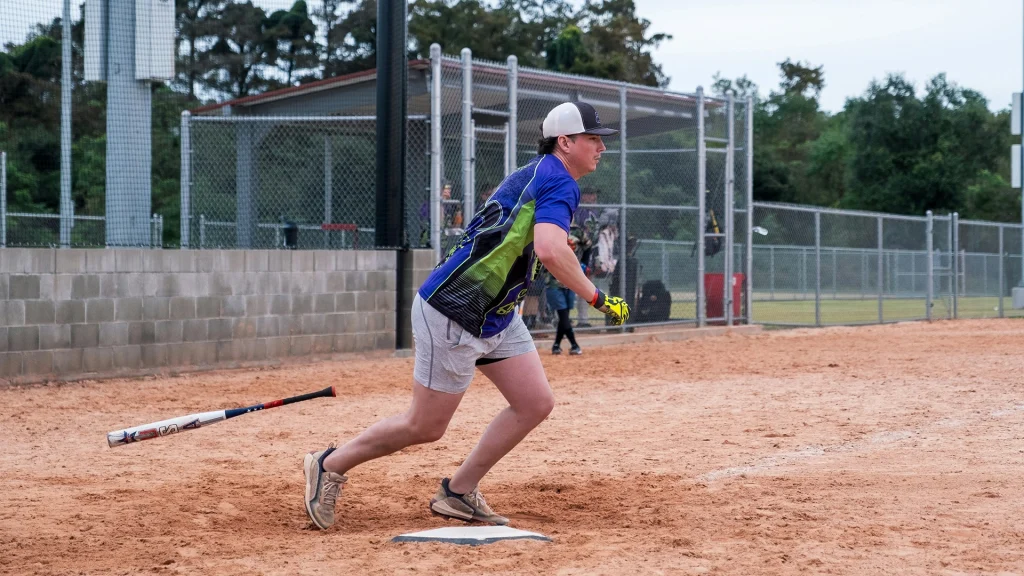
Baseball is a game of skill, discipline, and consistency, but many young players fall into the same traps that slow down their development. From poor batting stances to throwing errors, these mistakes are common across all levels of youth baseball. The good news is that every mistake can be corrected with the right drills, mindset, and coaching. In this guide, we’ll break down the most common baseball mistakes young players make—and, more importantly, how to fix them—so players can gain confidence, improve their performance, and take their game to the next level.
1. Poor Batting Stance
Mistake: Many young players step into the batter’s box with stiff legs, uneven weight distribution, or an overly open stance. This not only makes it harder to generate power but also reduces reaction time against fast pitches.
How to Fix It: A proper stance begins with balance. Players should keep their feet shoulder-width apart, knees slightly bent, and weight evenly distributed. The hands should be relaxed near the back shoulder, with the bat angled upward. Coaches often recommend using a mirror or video to review a player’s stance so they can see adjustments in real time. A consistent, balanced stance is the foundation of every good swing.
2. Swinging at Bad Pitches
Mistake: One of the biggest issues in youth baseball is chasing pitches outside the strike zone. Young players often swing at everything, whether it’s high, low, or way outside, because they’re eager to hit the ball. This leads to weak contact, strikeouts, and frustration.
How to Fix It: Learning strike zone discipline takes practice. Coaches can set up drills where players track pitches without swinging, calling out whether the ball was a strike or a ball. Another effective drill is using a tee and placing it in different strike-zone locations to teach players what a hittable pitch looks like. Over time, players will develop patience at the plate, waiting for the right pitch to drive.
3. Weak Throwing Mechanics
Mistake: Many young players struggle with throwing because of poor mechanics—such as side-arm throws, stiff wrists, or failing to follow through. These bad habits reduce accuracy, put unnecessary strain on the arm, and can even lead to injuries.
How to Fix It: Good throwing mechanics start with grip and body alignment. Players should hold the ball across the seams with their index and middle fingers while keeping the thumb underneath. When throwing, the front shoulder should point toward the target, and the throwing arm should come over the top in a fluid motion. Follow-through is just as important—players should finish their throw by bringing their arm across the body naturally. Incorporating long-toss drills and focusing on mechanics rather than speed will help young athletes build strong, accurate throws.
4. Not Running Through First Base
Mistake: A common habit among young players is slowing down just before reaching first base. Many think they only need to touch the bag, but this hesitation often results in being thrown out on close plays.
How to Fix It: Players should always run through first base at full speed. A simple drill is setting a cone about 10–15 feet past first base and telling players to sprint through the cone instead of stopping at the bag. This helps build muscle memory so running past the base becomes automatic. Once players learn this, they can make safer and smarter decisions about turning toward second.
5. Poor Fielding Positioning
Mistake: Standing flat-footed while waiting for the ball is one of the biggest defensive errors. Players who don’t get into a proper ready position react slower and often misplay grounders or pop flies.
How to Fix It: The correct fielding stance starts with knees bent, weight slightly forward, and glove positioned just above the ground. Coaches can run “ready position” drills where players must get low and move laterally before fielding the ball. Practicing soft hands—catching the ball smoothly and bringing it to the chest—also improves consistency. Over time, young players will feel more confident in the field and make fewer errors.
6. Overthrowing the Ball
Mistake: Young players often think they need to throw as hard as possible to impress coaches. Unfortunately, this usually sacrifices accuracy and puts unnecessary stress on the arm. Overthrowing can lead to wild throws, missed outs, and even injuries.
How to Fix It: Instead of focusing on throwing hard, players should prioritize mechanics, balance, and accuracy. One effective drill is the “one-knee drill,” where players throw from one knee to emphasize using the upper body correctly. Another is practicing with targets—such as cones or nets—to reinforce accuracy. Once players master smooth mechanics, velocity will naturally improve.
7. Lack of Communication on Defense
Mistake: Miscommunication is one of the leading causes of errors in youth baseball. Two fielders may chase the same fly ball, collide, or let it drop because no one called for it. Similarly, infielders may fail to coordinate during double plays or cutoff throws.
How to Fix It: Communication needs to be loud, clear, and consistent. Coaches should drill “calling the ball” by having players practice shouting “Mine!” or “I got it!” before making a catch. Defensive communication also includes signaling cutoffs and relays. When players learn to talk to each other, the team becomes sharper, more coordinated, and far less likely to give away free bases.
8. Ignoring Situational Strategy
Baseball is a game of constant adjustments. Sometimes it’s smarter to bunt, hit to the opposite field, or take a pitch instead of swinging freely. Players who fail to adapt to the game situation—such as ignoring a runner in scoring position or not advancing a base runner—often miss opportunities to help their team.
Tip: Always consider the game context. Know when to be aggressive and when to play small-ball.
9. Poor Mental Focus
Even the most talented players can struggle if they lose concentration. Mental mistakes—such as forgetting the number of outs, missing a sign from the coach, or getting distracted by the crowd—can change the outcome of an inning.
Tip: Stay locked in on every pitch. Baseball is a mental game just as much as a physical one.
10. Not Learning From Mistakes
Every player makes errors, but the best players use mistakes as learning opportunities. Ignoring errors or repeating the same bad habits—like chasing high pitches or misjudging fly balls—stalls development.
Tip: Review your performance after games. Track what went wrong and make specific goals for improvement.
Conclusion
Baseball innings may seem simple on the surface, but they carry the rhythm, drama, and excitement of the entire game. Each inning is a chance for a team to turn the tide, make a comeback, or secure a victory. Whether you’re new to baseball or a long-time fan, understanding how innings work will deepen your appreciation of America’s pastime. Next time you’re watching a game, keep an eye on how each inning shapes the story—it’s the heartbeat of baseball.
Frequently Asked Questions (FAQ)
1. How many innings are in a professional baseball game?
A standard Major League Baseball game has 9 innings. If the score is tied after 9 innings, the game goes into extra innings until a winner is decided.
2. How long does one inning usually last?
On average, one inning takes about 20 minutes, but it can be shorter or longer depending on pitching, hits, and game pace.
3. Can a baseball game end before 9 innings?
Yes. For example, in Major League Baseball, if bad weather stops play and the game has already reached at least 5 innings, the result may stand.
4. What is the difference between the top and bottom of an inning?
The visiting team always bats in the top half, and the home team bats in the bottom half of every inning.
5. What is an “extra inning”?
Extra innings occur when the score is tied after 9 innings. Teams continue playing full innings until one has the lead at the end of an inning.


