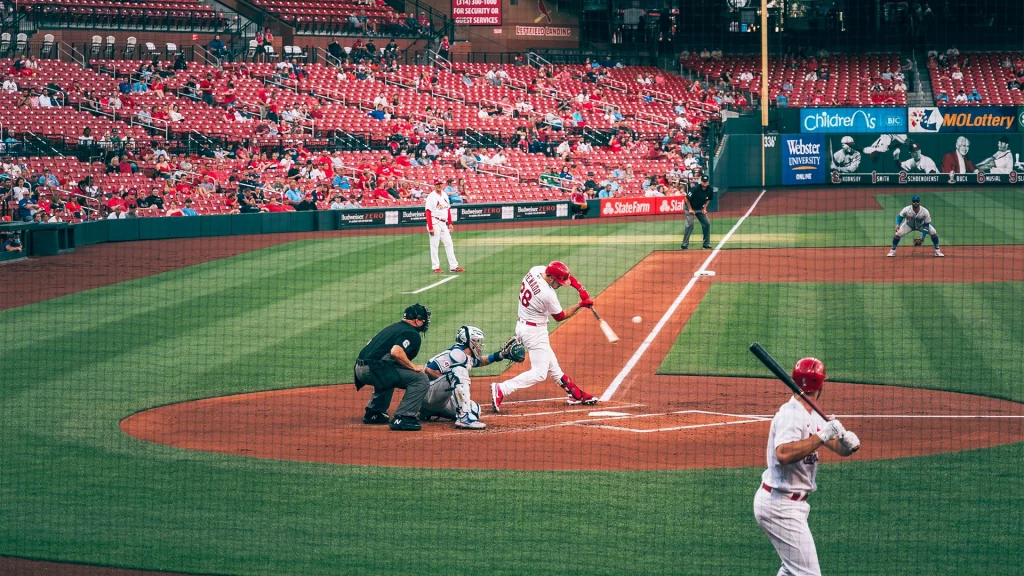
From Pitcher to Outfield — Easy for Beginners!
f you’re new to baseball, the number of players on the field and their different roles might feel overwhelming. Don’t worry—this guide breaks down every position in simple terms so you’ll know exactly what each player does and why it matters. Let’s start with the basics before diving into the infield and outfield positions.
How Many Positions Are There in Baseball?
A standard baseball team has nine defensive positions, each with a unique responsibility. Together, they work like a puzzle to stop the opposing team from scoring runs. The positions are:
- Pitcher
- Catcher
- First Baseman
- Second Baseman
- Shortstop
- Third Baseman
- Left Fielder
- Center Fielder
- Right Fielder
Every position has a specific role, but they all share the same goal: preventing runs and making outs. Understanding these positions will help you follow games more easily, whether you’re watching on TV, at a stadium, or even playing yourself.
The Battery: Pitcher and Catcher
The pitcher and catcher are often called the “battery” because they work closely together to control the pace of the game.
- Pitcher: The most visible player, standing on the mound and throwing pitches toward home plate. A good pitcher doesn’t just throw fast—they use strategy, mixing different pitch types to confuse batters.
- Catcher: Squatting behind home plate, the catcher catches every pitch and signals to the pitcher what to throw next. They also defend home plate, block wild pitches, and try to throw out runners attempting to steal bases.
The pitcher and catcher form the backbone of the defense, and their chemistry is critical for success.
The Infield: First Base, Second Base, Shortstop, and Third Base
The infielders are the players closest to the batter, responsible for fielding ground balls, catching line drives, and covering the bases. Let’s break them down one by one:
First Baseman (1B)
- Stands near first base.
- Their main job is to catch throws from other infielders to get batters out at first base.
- Often tall with a good reach to scoop balls that are thrown off-target.
- Many first basemen are strong hitters too, making this position a mix of defense and offense.
Second Baseman (2B)
- Covers the area between first and second base.
- Quick reflexes are key here—they field ground balls and often turn double plays with the shortstop.
- Usually smaller, faster players with great agility.
Shortstop (SS)
- Plays between second and third base.
- Considered one of the most demanding positions because shortstops need strong arms and lightning speed.
- Handles the most ground balls and often leads double plays.
- Famous shortstops like Derek Jeter and Cal Ripken Jr. are legends of the game.
Third Baseman (3B)
- Positioned close to third base, nicknamed “the hot corner” because balls get hit here very hard and very fast.
- Needs quick reactions, a strong throwing arm, and the ability to field bunts.
- Like the first baseman, many third basemen are power hitters in the lineup.
⚡Together, the infielders work as a tight unit, communicating constantly to cover bases, execute double plays, and stop hits from becoming runs.
The Outfield: Left Field, Center Field, and Right Field
While the infielders guard the bases, the outfielders patrol the grass and stop balls from turning into extra-base hits. They need speed, strong arms, and excellent judgment.
Left Fielder (LF)
- Covers the left side of the outfield, backing up third base.
- Often gets a lot of fly balls because most batters are right-handed and pull the ball to left.
- Needs quickness to chase down hits and a reliable arm to throw to third base or home.
Center Fielder (CF)
- Arguably the most important outfielder.
- Covers the most ground and often acts as the “captain” of the outfield, calling off others on fly balls.
- Requires great speed, stamina, and excellent fielding instincts.
- Famous center fielders like Willie Mays and Ken Griffey Jr. are iconic for their highlight-reel catches.
Right Fielder (RF)
- Positioned near first base side of the outfield.
- Needs the strongest throwing arm of the outfielders to make long throws to third base.
- Often faces fewer balls than left or center field, but their throws can stop runners from advancing extra bases.
Putting It All Together
Baseball is often called a “game of inches” because every position, from pitcher to right fielder, plays a critical role in stopping runs and creating opportunities for the team. Knowing the nine positions helps fans understand why certain players are valued for their speed, arm strength, or batting power.
Whether you’re new to the game or brushing up on the basics, next time you watch baseball, you’ll be able to recognize exactly who’s doing what on the field.
FAQ: Baseball Positions Explained
Q1: Why are there nine positions in baseball?
➡ Baseball’s nine defensive positions balance field coverage, ensuring every part of the diamond is defended against hits.
Q2: Which position is the hardest in baseball?
➡ Many say shortstop because it demands quick reflexes, a strong arm, and constant involvement in plays.
Q3: Do pitchers also bat?
➡ In the American League, pitchers usually don’t bat because of the designated hitter (DH) rule. In the National League, pitchers sometimes bat unless a DH is used.
Q4: What’s the most important outfield position?
➡ The center fielder—they cover the most ground and often lead the outfield defense.
Q5: Can players switch positions during a game?
➡ Yes, but it must be recorded officially. Managers sometimes move players to take advantage of matchups.