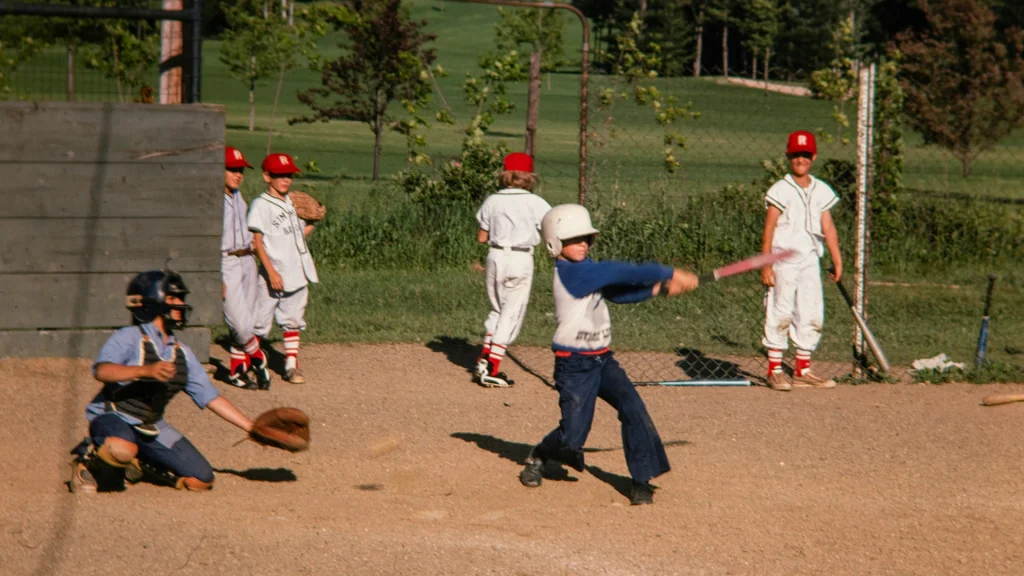
When you dream about playing baseball at a higher level, one of the biggest milestones is catching the attention of a scout. For many young players, getting noticed by baseball scouts can feel like a mystery. Do scouts only care about your batting average? Do they just show up at random games? The truth is, while performance matters, scouts also look for qualities that show long-term potential. If you want to stand out from the competition, you need more than raw talent—you need the right mindset, consistent effort, and the ability to showcase your skills in the best light.
Below, we’ll walk through practical, proven ways that young baseball players can increase their chances of being noticed by scouts.
Master the Fundamentals
Before you think about highlight reels or showcase camps, you need to make sure your fundamentals are sharp. Scouts pay close attention to how smooth your swing looks, how consistently you field grounders, and how accurate your throws are. A player with sound fundamentals will stand out more than someone who hits a few home runs but struggles with basic fielding.
Work on your mechanics daily. For hitters, that means practicing your stance, balance, and swing path. For pitchers, it’s about repeating your delivery and commanding the strike zone. Defensive players should focus on clean footwork, glove control, and quick transitions. These are the building blocks that scouts look for because they know a solid foundation can be developed further at higher levels.
Stay Physically Prepared
Baseball is not only a game of skill but also a game of athleticism. Scouts want to see players who are fast, strong, and agile. That doesn’t mean you have to look like a bodybuilder, but it does mean staying in great baseball shape.
Strength training, agility drills, and proper conditioning can make a big difference in your performance on the field. A player who can run from home to first in under 4.5 seconds will get attention. The same goes for outfielders with strong arms who can throw accurately to bases. If your body is well-conditioned, you’ll not only play better—you’ll also show scouts you’re committed to taking the sport seriously.
Demonstrate Work Ethic and Attitude
Scouts don’t just watch what happens during a game—they watch everything. How do you react after a strikeout? Do you hustle to first base on a routine ground ball? Do you stay engaged in the dugout, supporting your teammates? These small moments say a lot about your character.
Work ethic and attitude are huge factors in whether a scout sees long-term potential in you. A player who is coachable, hardworking, and positive is far more valuable than one who shows flashes of talent but lacks discipline. Always show up ready to learn, be respectful toward coaches, and push yourself in practice. Scouts love players who demonstrate passion and resilience.
Play in the Right Tournaments and Showcases
No matter how good you are, if scouts never see you play, you won’t get noticed. That’s why choosing the right tournaments and showcases is crucial. Local games are important, but regional and national tournaments often attract scouts looking for new talent.
Baseball showcases and prospect camps are especially valuable because they give you a chance to display your skills in front of multiple scouts at once. Do your research before signing up—some showcases have stronger reputations and attract more attention than others. Ask your coach or mentor which events will give you the best exposure.
Also, remember that performing well at these events requires preparation. Don’t treat a showcase like a casual game. Be at your physical peak, bring the right gear, and approach it with confidence. Even if you don’t have your best game, showing hustle, focus, and professionalism can still leave a positive impression.
Build a Positive On-Field Presence
Beyond raw skills, scouts notice how you carry yourself on the field. Do you look confident at the plate? Do you communicate with your teammates on defense? Baseball is a team sport, and scouts value players who demonstrate leadership and composure.
Body language matters more than you might think. Standing tall, hustling after every ball, and keeping your head up even after mistakes shows resilience. Scouts understand that no player is perfect—what impresses them is how you respond to adversity. If you strike out, show determination on your next at-bat instead of frustration. If you make an error, shake it off and focus on the next play. These qualities demonstrate maturity and mental toughness, which are essential at higher levels of the game.
Use Technology and Highlight Reels
In today’s digital age, you don’t have to wait for a scout to show up at your local game. Technology has given young players the ability to showcase their skills online. A short, well-edited highlight reel can go a long way in gaining attention.
When creating a highlight video, keep it simple and professional. Start with your best plays—scouts usually make a decision within the first 30–60 seconds. Show a variety of skills: hitting, fielding, throwing, and running. If you’re a pitcher, highlight different pitches and your consistency in hitting spots. Make sure the video quality is clear, filmed from angles that best demonstrate your abilities.
You can share this video with coaches, recruiters, or even upload it to platforms where scouts regularly search for talent. Social media, when used correctly, can also help build your baseball profile. Just remember: keep your online presence positive and focused on your growth as an athlete.
Seek Guidance from Coaches and Mentors
No player develops alone. Behind every successful athlete is a network of coaches, trainers, and mentors who provide direction and support. Building relationships with these people can give you valuable insight into what scouts are looking for.
Coaches can also act as advocates. A recommendation from a respected coach can carry a lot of weight with scouts. Don’t be afraid to ask for feedback on your skills, work habits, and areas to improve. A mentor can also help you navigate which tournaments to attend, how to prepare for showcases, and how to handle the pressure that comes with being evaluated.
Balance Academics and Character
Many young players forget that scouts and recruiters often look beyond the diamond. Your grades, discipline, and reputation matter—especially if you hope to play at the collegiate level. A talented athlete who struggles academically or has a poor attitude off the field may raise red flags for recruiters.
Make sure you keep up with schoolwork and maintain a positive image. Being a well-rounded student-athlete not only makes you more attractive to scouts but also prepares you for opportunities beyond baseball. Scouts want to invest in players who show responsibility and maturity both on and off the field.
Be Patient and Consistent
Perhaps the most important piece of advice is this: getting noticed by scouts doesn’t happen overnight. You might play dozens of games before a scout takes interest. That’s normal. What matters is consistency.
Keep showing up, keep improving, and keep performing with confidence. Every game, every practice, and every showcase is a chance to prove yourself. The more consistent you are, the more likely scouts will see you as someone with long-term potential.
Conclusion
Getting noticed by baseball scouts is not about one big moment—it’s about steady growth, discipline, and making the most of every opportunity. From mastering fundamentals and staying in peak condition, to demonstrating leadership and creating highlight reels, every step you take brings you closer to your dream.
Remember: scouts are looking for more than numbers on a stat sheet. They’re looking for players who show passion, resilience, and character. If you put in the work, stay patient, and consistently perform, your chance to get noticed will come.
So step onto the field with confidence, give your best effort every day, and trust the process. You never know when a scout might be watching—but when they do, make sure you’re ready.
Frequently Asked Questions (FAQ)
1. What do baseball scouts look for the most in young players?
Scouts look for strong fundamentals, athleticism, and consistency. Beyond statistics, they also pay close attention to attitude, work ethic, and how a player reacts under pressure.
2. Do I need to attend showcases to get noticed by scouts?
Showcases and prospect camps are valuable because they bring multiple scouts together in one place. While not the only way to get noticed, they can greatly increase your exposure compared to local games alone.
3. How important are grades when it comes to being recruited?
Very important—especially if you’re aiming for college baseball. Scouts and recruiters want players who can balance academics with athletics, as this shows maturity and responsibility.
4. Should I create a highlight reel even if I don’t have professional filming equipment?
Yes. Even a clear video recorded on a smartphone can work, as long as the footage is stable and shows your skills effectively. Focus on quality plays rather than fancy editing.
5. Can social media help me get noticed by scouts?
Absolutely. Many players use platforms like Twitter, Instagram, and YouTube to share highlight videos and updates. Just remember to keep your content professional and baseball-focused.
6. How long does it usually take to get noticed by scouts?
There’s no set timeline. Some players get noticed early in high school, while others catch attention later. Consistency and persistence are key—keep working hard, and your opportunity will come.
7. Is it possible to get recruited if I’m from a small town?
Yes. While exposure may be harder, scouts do travel and often rely on highlight reels and recommendations from coaches. Attending larger tournaments and building an online presence can help bridge the gap.