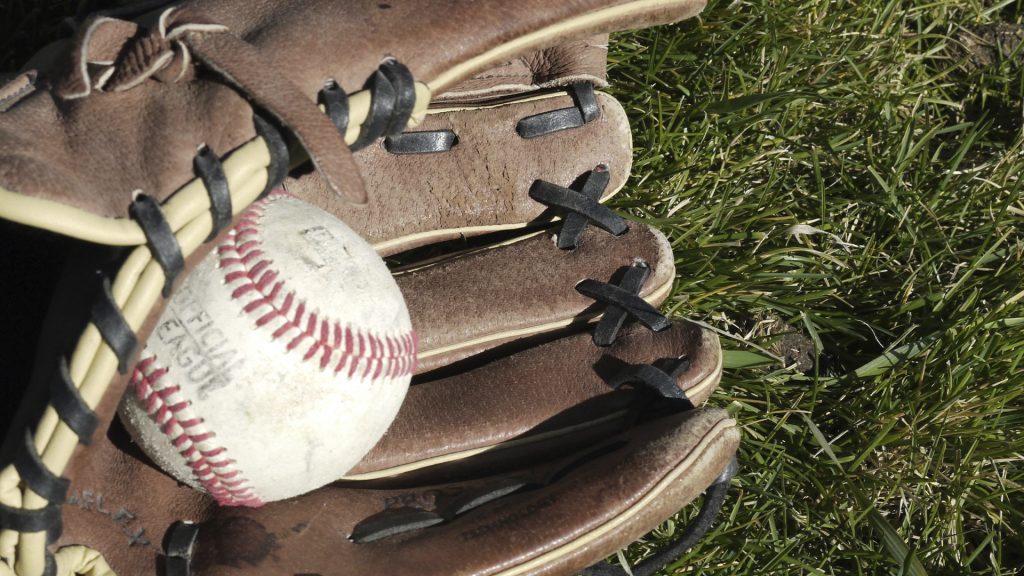
You know that feeling when you open your glove and it still smells like new leather, perfectly broken-in, with that sweet pocket ready for the next catch? For many players, their glove isn’t just equipment — it’s a trusted teammate. But keeping it in prime condition isn’t always obvious.
A well-maintained glove lasts years, while a neglected one can lose its shape and feel in just one season. The good news is, proper glove care doesn’t require expensive tools or hours of maintenance. It’s about understanding the leather, respecting its natural flexibility, and giving it consistent attention.
Understanding Your Glove’s Leather
The first step to long-lasting glove care is knowing what kind of leather you’re working with. Premium gloves, usually made from full-grain or steerhide leather, are durable but require regular conditioning. Synthetic gloves, while easier to clean, often lack the deep flexibility and feel of natural leather.
One mistake many players make is trying to “speed up the break-in” by soaking the glove in water or using excessive oil. While it might soften the leather temporarily, it can also weaken the structure, leaving the glove floppier than intended. A glove’s natural break-in process is a balance between gentle shaping, repeated use, and careful conditioning.
Keeping Your Glove Clean and Dry
After every practice or game, take a moment to inspect your glove. Dust, dirt, and even grass can embed into the leather and, over time, dry it out or cause cracks.
Gently wiping your glove with a soft cloth or brush removes debris without damaging the leather. If it’s particularly muddy, use a slightly damp cloth, but never submerge the glove. After cleaning, let it air dry naturally. Avoid placing it near radiators, heaters, or direct sunlight — those quick fixes might dry the leather too fast, leading to brittleness.
Conditioning and Maintaining Flexibility
Leather thrives on care. Applying a light layer of glove conditioner every few weeks keeps the leather soft and pliable, preserving the pocket and ensuring it closes properly around the ball.
The trick is moderation. Too much conditioner can make the glove heavy and greasy, while too little leaves the leather dry and prone to cracks. A simple test: gently pinch the leather after conditioning — it should feel supple but not oily.
Storing Your Glove Correctly
How you store your glove between practices can dramatically impact its lifespan. Leaving it crumpled in your bag or under heavy equipment can deform its shape.
A simple hack that pros use is placing a ball in the pocket and tying the glove closed with a rubber band or glove wrap. This preserves the pocket’s shape and ensures it’s ready for the next use. Store the glove in a cool, dry place, away from extreme temperatures and moisture. Think of it like a leather shoe — the glove needs its space to “breathe.”
Breaking In a New Glove the Right Way
Nothing feels worse than a stiff, unyielding glove on opening day. Breaking in a new glove is both art and patience. Many players rush the process with water, heat, or mechanical methods, thinking it will speed things up. The truth is, a glove develops its best feel over repeated use.
Take your time fielding ground balls, catching pop-ups, and tossing the ball back and forth with a partner. Each catch helps the leather mold naturally to your hand and throwing style. You’ll notice the pocket deepening and the glove “hugging” the ball the way it was meant to. A well-broken glove doesn’t just feel good — it performs consistently, which can make all the difference during a tight game.
Handling Minor Damage
Even with careful use, gloves can suffer minor scratches, scuffs, or loose laces. Ignoring these small issues can turn them into major problems over time.
A tiny scratch on the leather can be gently buffed with a soft cloth and a dab of conditioner. If laces start to loosen, tightening them or replacing them promptly keeps the glove’s structure intact. Many players don’t realize that glove lacing is not just cosmetic — it maintains the tension of the pocket and ensures the glove closes correctly.
Avoiding Common Mistakes
There are a few habits that shorten glove life more than anything else. Leaving your glove in a car during a hot summer day, over-oiling, or cramming it into an overloaded bag can ruin the leather.
Even storing a glove without a ball in the pocket can let the shape flatten over time. Think of it like caring for a fine leather jacket — attention to detail makes all the difference. Your glove is an investment; treat it with the same respect you give your cleats, bat, or helmet.
Tips From the Pros
Many professional players have their personal routines, but a few common themes emerge:
- Consistency is key: Care for your glove weekly, not just at the start or end of the season.
- Hands-on breaks: Fielding grounders and pop flies daily keeps the leather naturally flexible.
- Condition with caution: Apply a thin coat of conditioner sparingly; less is more.
- Storage matters: Keep the glove cool, dry, and in shape with a ball in the pocket.
These small habits compound over years, keeping the glove performing like new long after others have worn down.
Final Thoughts
A baseball glove is more than a tool — it’s a silent partner on the field. Proper care improves not only its longevity but also your performance. By understanding the leather, cleaning and conditioning it, storing it properly, and addressing minor issues promptly, you’ll maximize every season you play.
It doesn’t take fancy equipment or endless time — just attention and a few simple routines. When you open your glove and it still feels perfect, every catch becomes that much sweeter.
FAQs
Q1: How often should I condition my glove?
Every 3–4 weeks during the season, or whenever the leather feels dry. Too much conditioner can weigh down the glove.
Q2: Can I use household oils like coconut or olive oil?
No — these oils can damage the leather over time. Stick with products designed for baseball gloves.
Q3: How do I break in a glove faster without damaging it?
Field balls daily, toss a ball in the pocket between uses, and gently shape it with your hands. Avoid soaking or heating.
Q4: Can synthetic gloves be cared for the same way as leather?
Synthetic gloves are lower maintenance. Keep them clean and dry, but they don’t require conditioning.
Want to upgrade your glove care game?
Check out our Top-Rated Baseball Glove Care Kit on Amazon — it has conditioner, brush, and leather oil, perfect for keeping your glove soft, shaped, and ready for every season.